
Shipping Intelligence Software
Shipium brings carrier performance, parcel spend, and delivery outcomes into one shipping intelligence platform, so operators get answers in time to act on them.
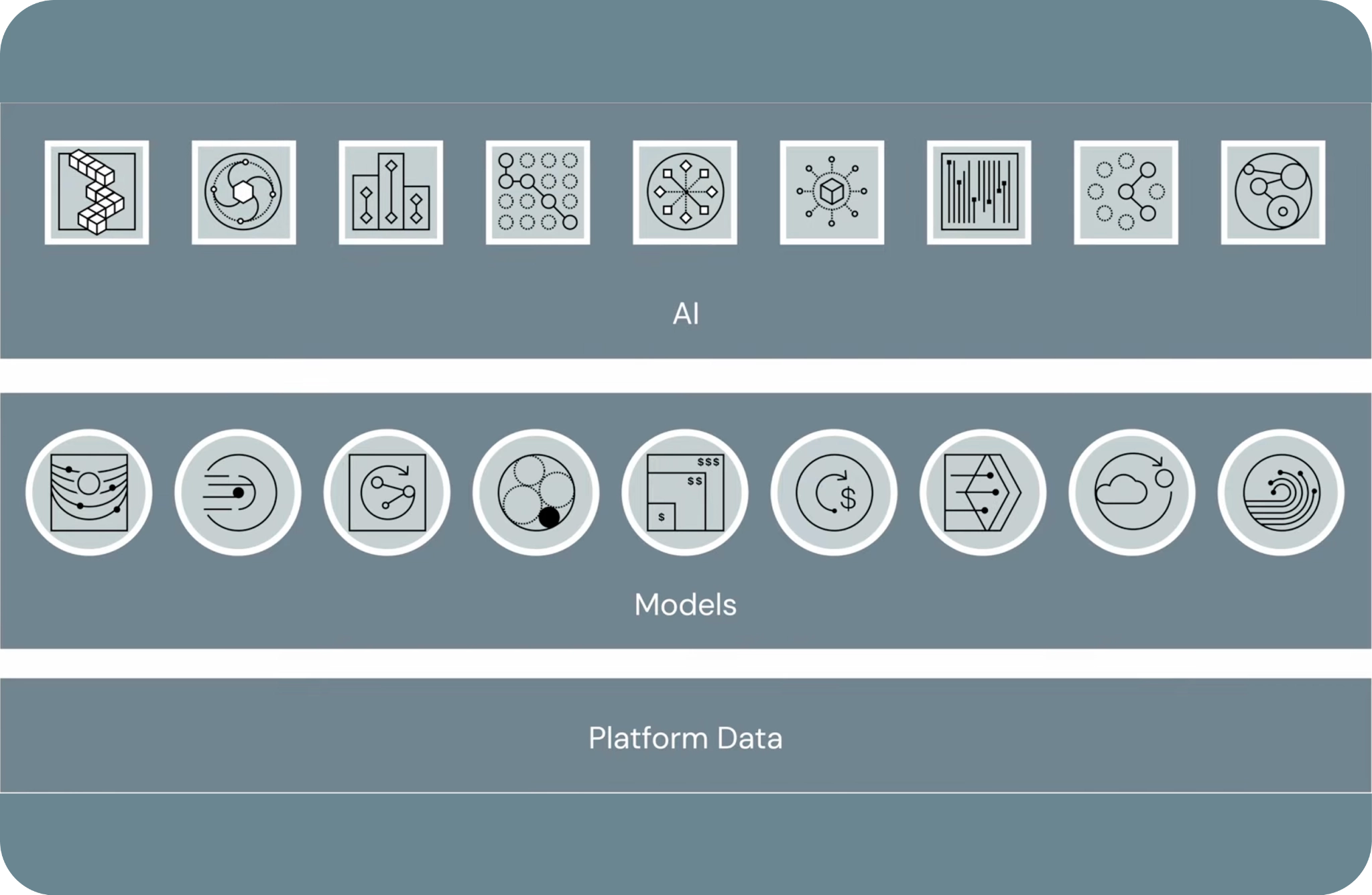
Measure, predict, and act within one platform
Shipium’s shipping intelligence runs on the platform that rates, labels, and ships your orders. Every shipment leaves a rate, scan, and invoice record, so the numbers that explain cost and delivery come from execution, not from a report assembled weeks later.
Dashboards and ad-hoc questions
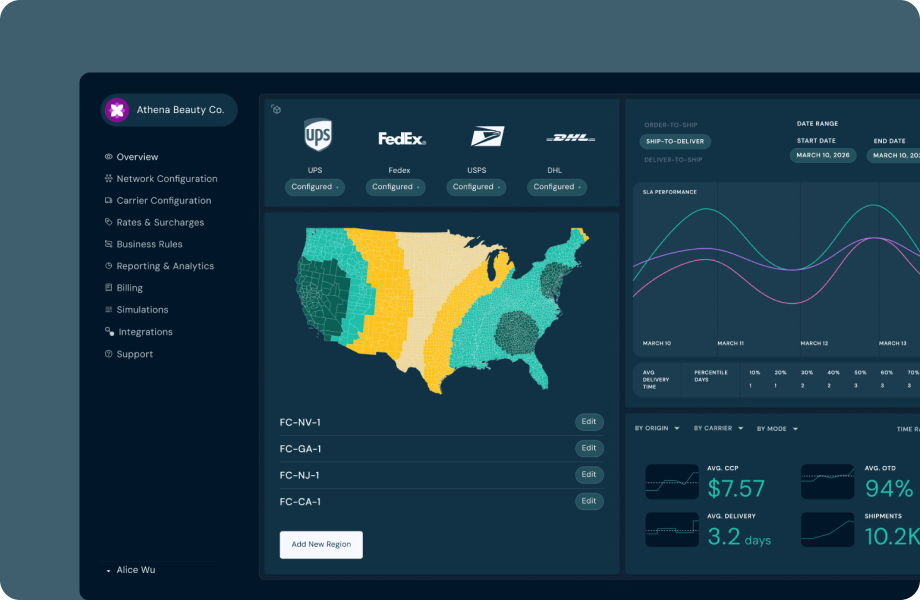
Leverage dashboards for shipment cost, on-time performance, delivery speed, and rate shop selections, or ask Orca AI which carrier drove last month’s cost increase. Either way, the answer arrives without queuing the data team.
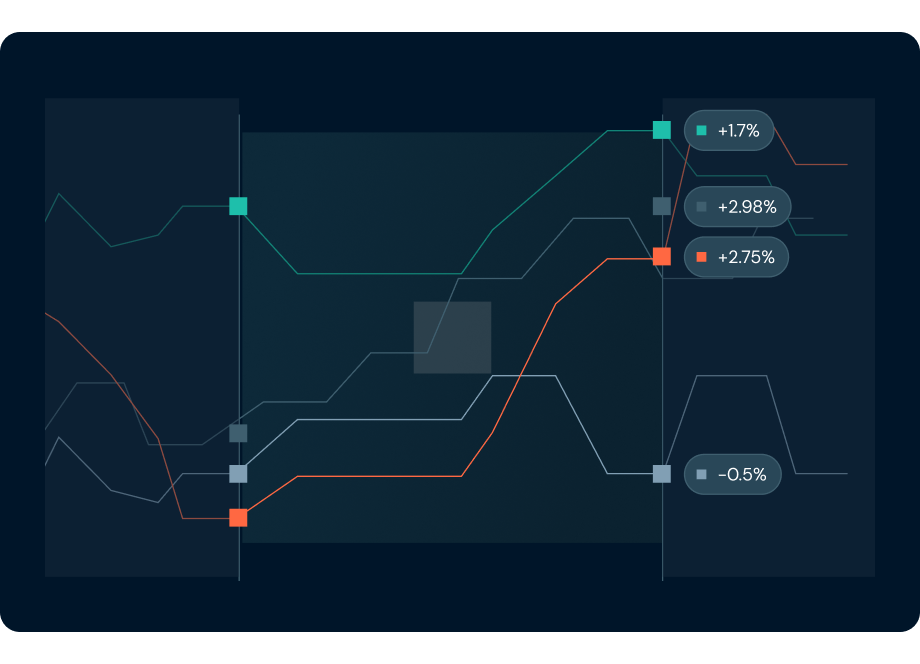
Predictive models
See predicted days-to-delivery, fully loaded cost, and daily volume for every shipment before it moves. Shipium’s models beat the published carrier SLA on ground transit in 40% of cases.
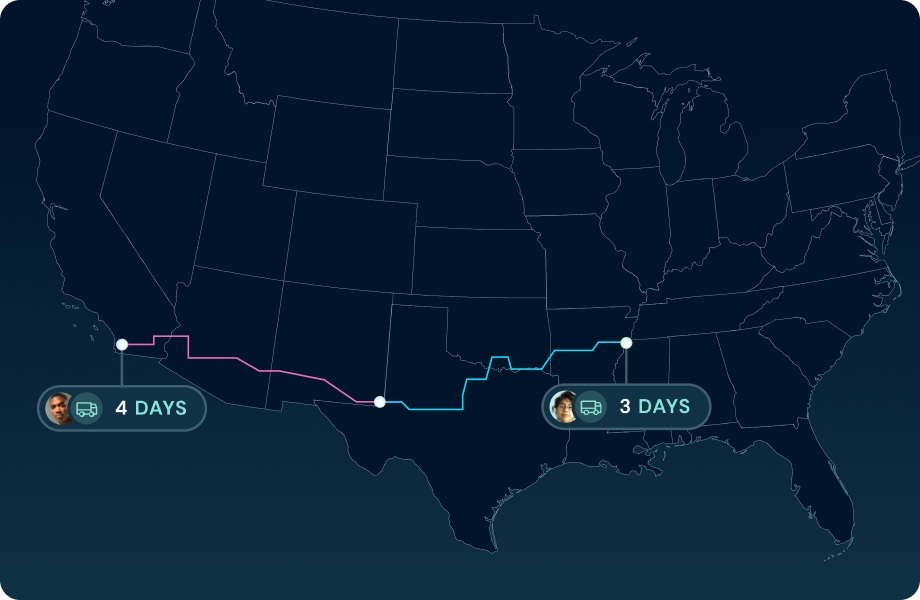
Carrier and cost benchmarking
Compare on-time delivery, delivery speed, cost-per-package, and volume mix across carriers and service methods. Selected versus evaluated views show what rate shopping left on the table.
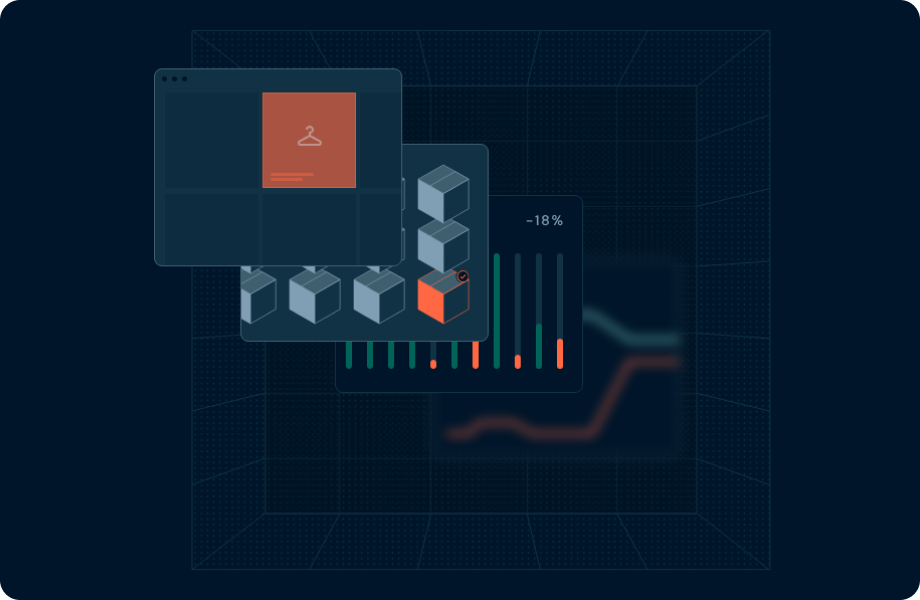
Insight to execution
Act on what the data shows within the Shipium platform: manage carriers, configure origins, and update carrier selection rules. No export, no second system, no waiting on IT.
Shipping intelligence software trusted by enterprise operators


Every cost and carrier decision, backed by your own numbers
Our shipping intelligence software gives operators the cost, carrier, and invoice detail behind every shipment. The next decision starts from your own record rather than a carrier’s summary.
Reduce cost-per-package
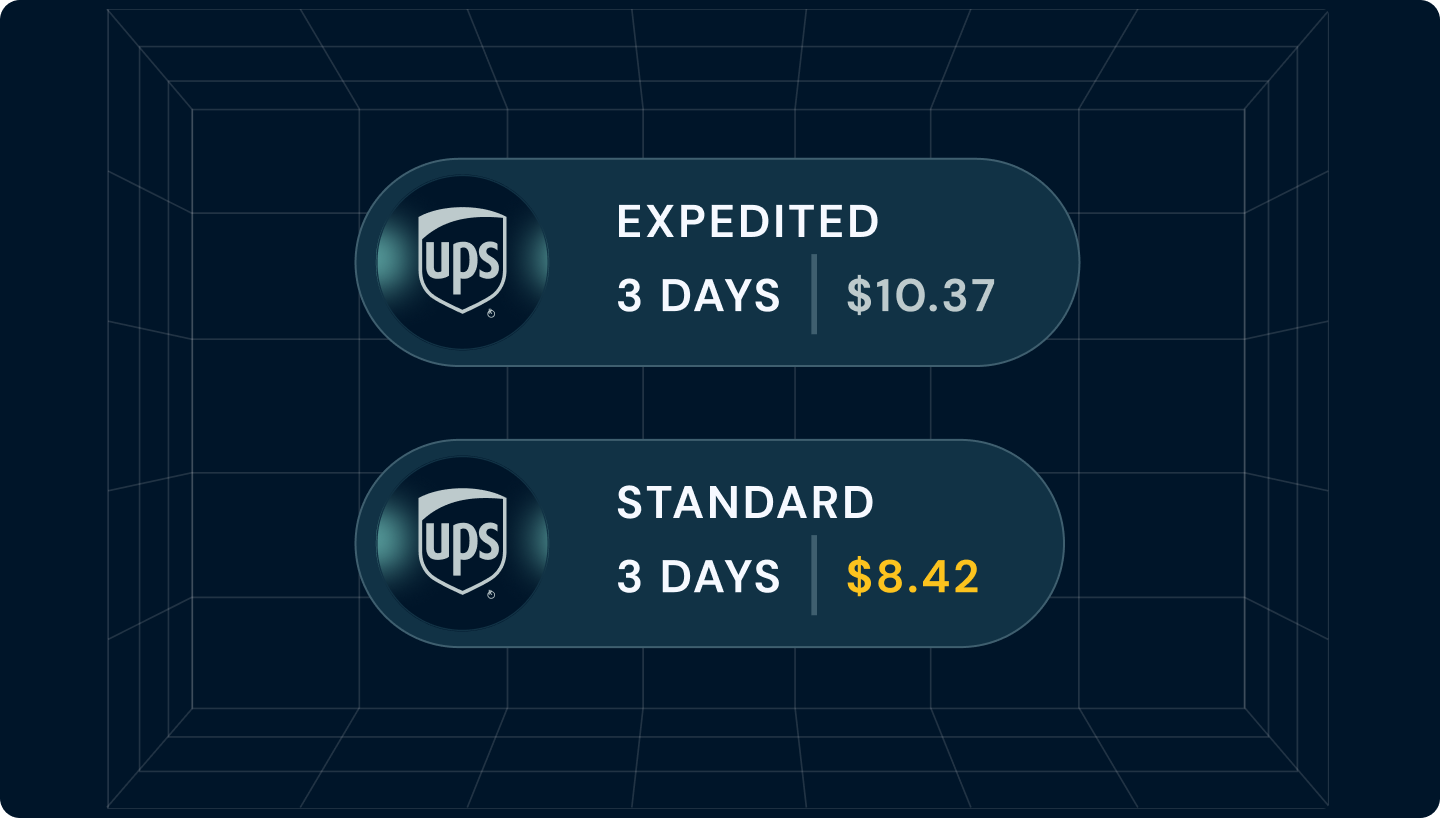
Trace cost-per-package to origin, carrier, service method, and surcharge, then act on the driver rather than the total.
Hold carriers accountable
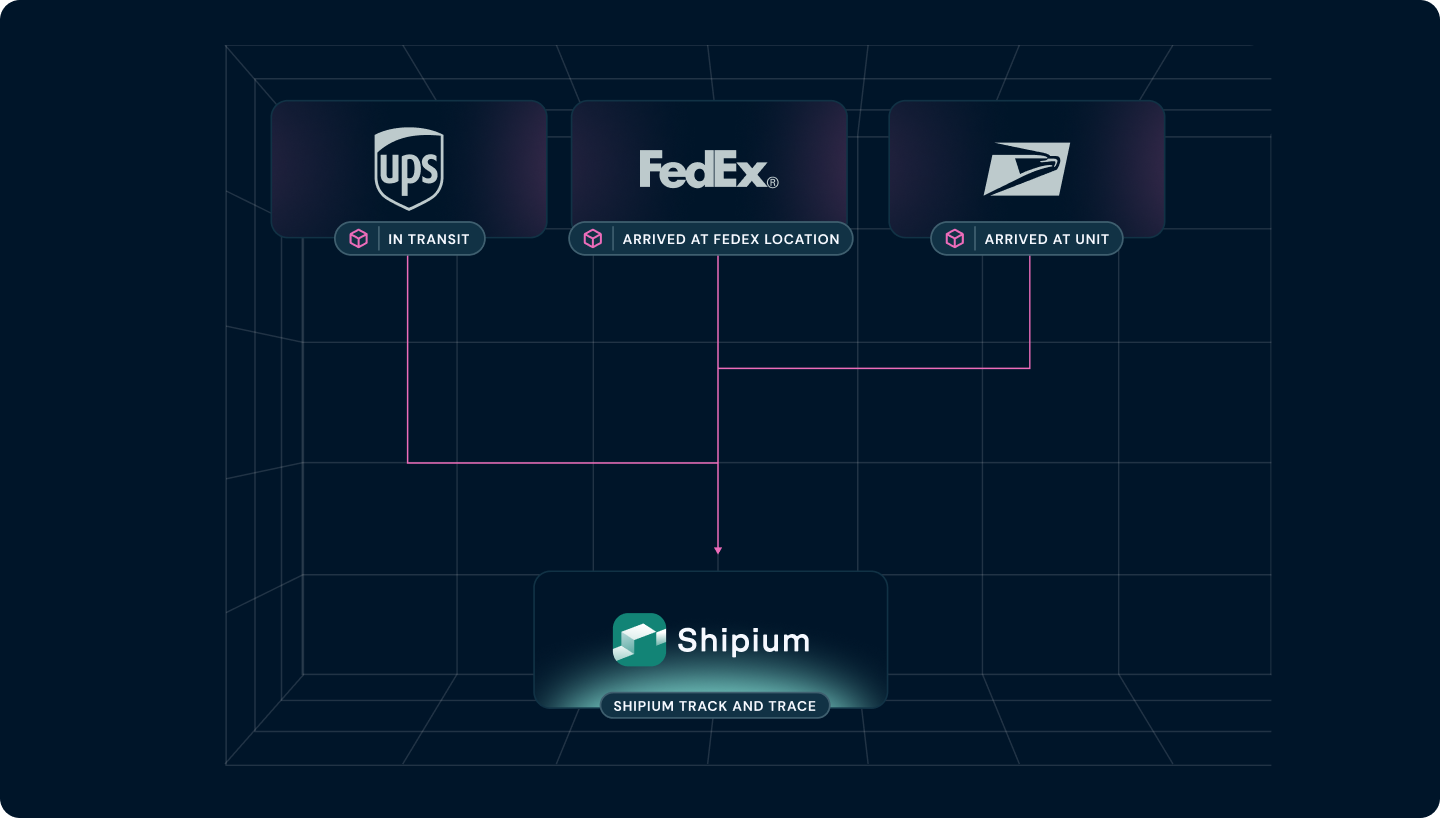
Bring lane-level cost and on-time performance into your next carrier RFP, and model what a proposal actually does to your network before you sign it.
Catch billing leakage early
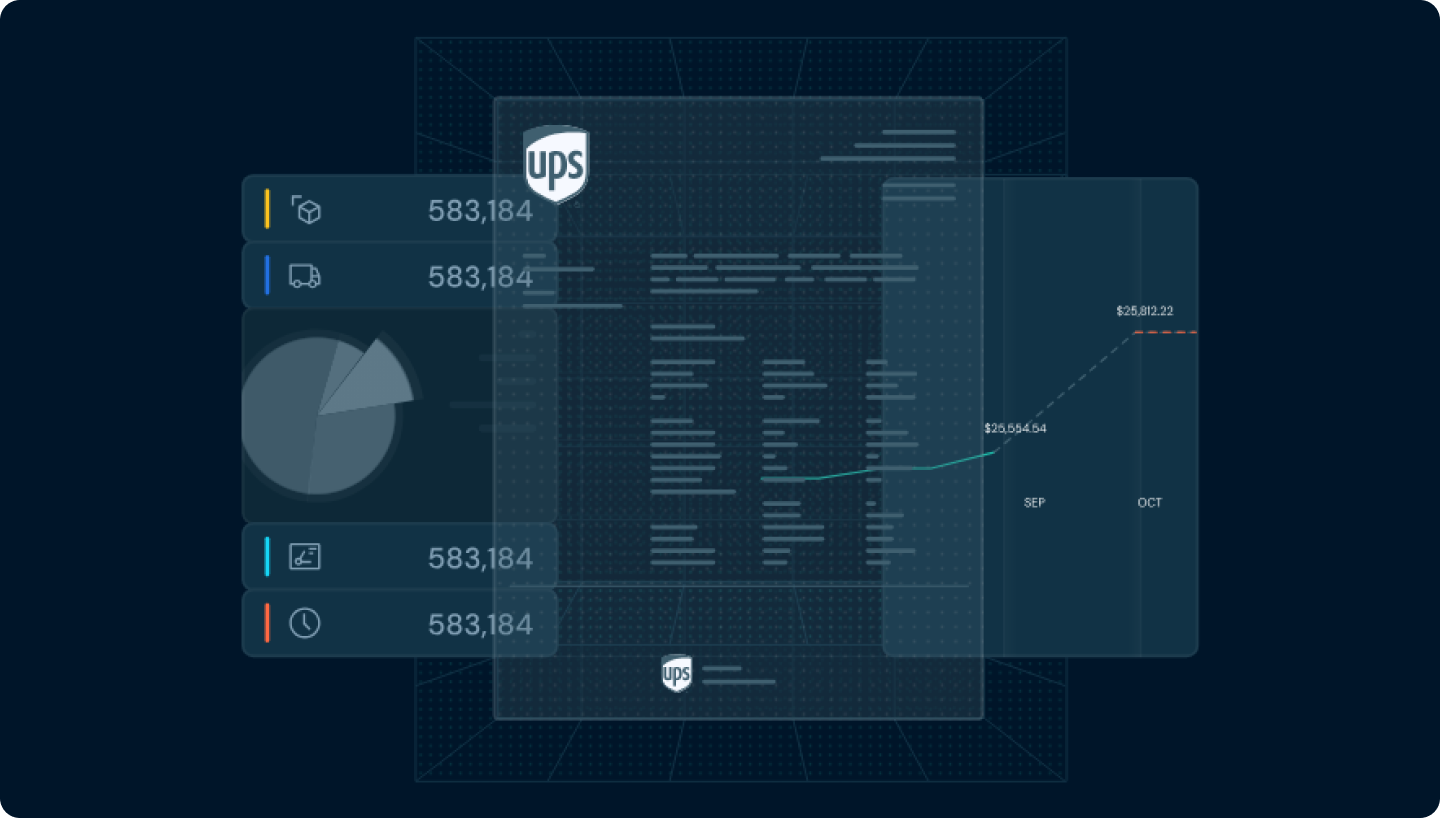
Reconcile invoice lines against the rate, label, and scan records that preceded them, and surface what does not match before you pay.
Frequently asked questions
What is shipping intelligence, and how does it work?
Shipping intelligence is the use of shipment, carrier, and delivery data to guide shipping decisions rather than only report on them. Dashboards, models, and query tools give operators the cost, speed, and reliability picture across a network.
Shipping intelligence works through data capture at each decision point in the shipment lifecycle, then modeling that data to explain outcomes and predict the next one. Rating, labeling, execution, scanning, and invoicing each write a record.
Shipium brings together rating, label, scan, and invoice records under a single shipment ID, part of the data trail we call Always-On Audit. Shipping AI models then turn the joined records into transit-time and cost predictions operators act on.
What to look for in the top shipping intelligence platforms in 2026?
Look for these capabilities in a shipping intelligence platform: proximity to execution, normalized carrier data, self-serve querying, and a route from insight to action. Here’s the breakdown:
- Proximity to execution: A platform that only reads carrier invoices reconstructs history, while one that executes the shipment holds the rate, label, and scan record that explains it.
- Normalized carrier data: Every carrier names services and surcharges differently, so multi-carrier shipping comparisons depend on one schema covering your whole portfolio.
- Self-serve querying: If every question routes through a data analyst, the answer arrives after the decision has already been made.
- A route to action: Insights are worth nothing until you change a carrier selection rule or an origin configuration after seeing it.
Shipium delivers all these shipping intelligence capabilities: Orca AI Analytics runs on the same platform that rates, labels, and ships the order. Rule changes land in the Shipium Console the same day the insight surfaces.
See our buyer’s guide to the leading shipping analytics tools.
What systems does shipping intelligence need to connect to?
Shipping intelligence needs the systems that create and fulfill the order: order management, warehouse management, transportation management, ecommerce platforms, carrier systems, and whatever BI tool finance already trusts. Missing any one of them leaves a gap in the cost or delivery picture.
Shipium connects through an API-first integration framework built on microservices, with native integrations into leading systems of record including Manhattan Associates and Blue Yonder.
How do you get visibility into shipping performance across carriers?
Visibility across carriers requires shipment-level data in one schema, because every carrier reports scans, surcharges, and service names differently. A shared schema makes on-time delivery performance, transit speed, and cost per package comparable side by side.
Shipium normalizes shipment data as a by-product of executing the shipment, then exposes it in dashboards filterable by carrier, origin, service method, and time period inside the Shipium Console. Carrier load management uses the same signals to keep volume commitments on track.
What should a shipping data platform do for carrier performance benchmarking?
A shipping data platform should benchmark carriers on:
- Delivery performance: Compare carriers by service method, origin, and zone so a single weak lane does not hide inside a network average.
- Actual transit days: Measure real transit against carrier SLAs. Published service levels and real network performance drift apart lane by lane, which is how estimated delivery dates go wrong.
- Fully loaded cost per package: Track surcharges and accessorials, not base rate alone.
Shipium runs network change simulation to model the cost and delivery impact of a carrier or volume shift before you commit to it.
How do you use shipping data to reduce costs and improve delivery?
You can use shipping data to reduce cost and improve delivery when the same record answers both questions, because the cheapest option and the fastest option are decided one shipment at a time.
- Start with cost per package broken out by origin, carrier, service method, and surcharge. That tells you which lanes and which accessorials drive the number, so you fix a cause instead of trimming a total.
- Then check on-time performance by lane against the date you promised. A lane that misses its promise costs you a second shipment, a support ticket, and sometimes the customer.
Cost and delivery meet at carrier and service selection. Shipium compares fully loaded rates against predicted transit days for every shipment, so a cheaper service wins only when it still hits the delivery promise the customer saw at checkout. Route optimization applies the same comparison one step earlier, at the choice of origin and ship date.