
Delivery Management Software
Shipium connects carrier selection, delivery date planning, and tracking into one system, so orders arrive on their promised date without manual work.
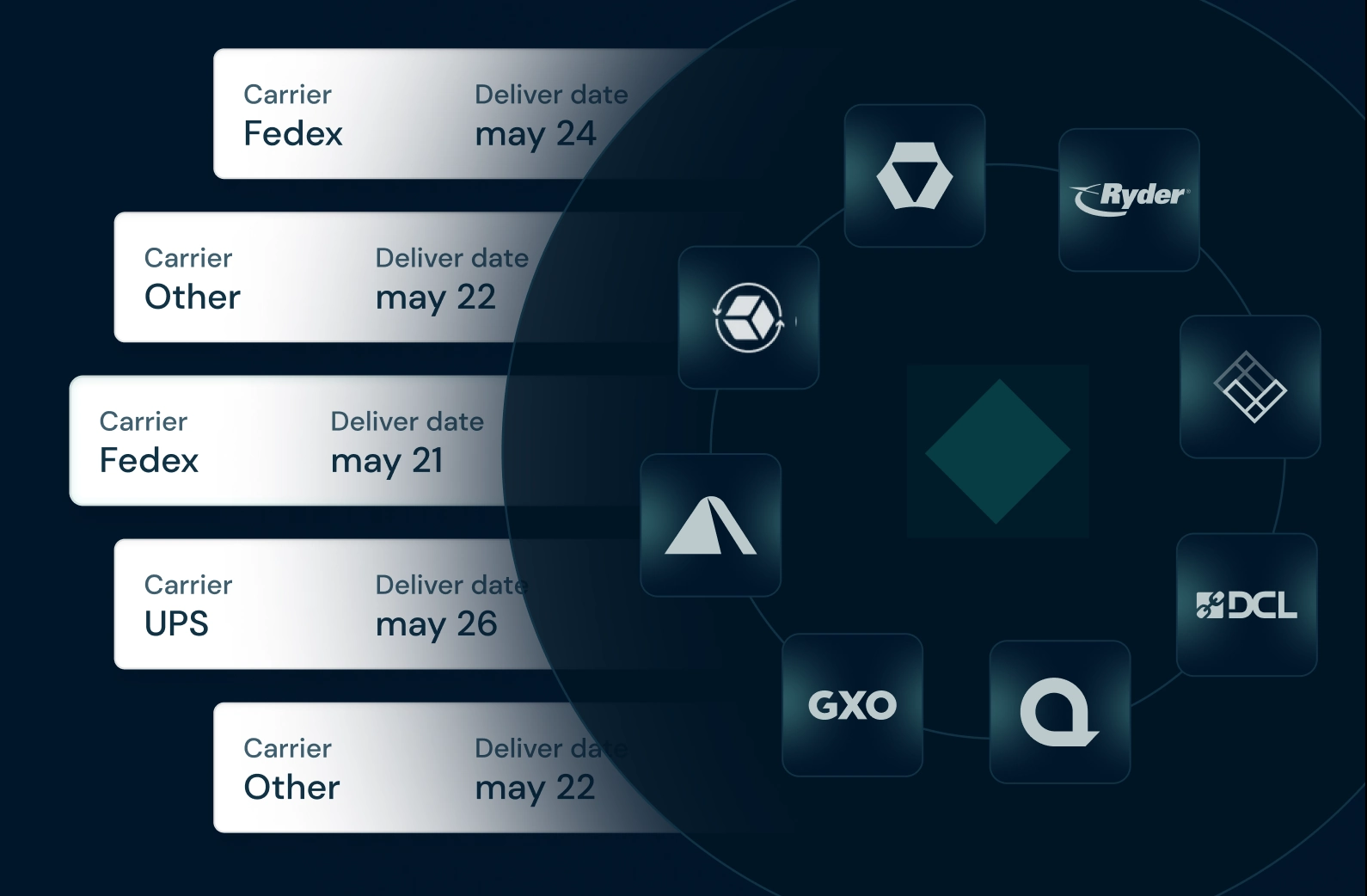
One platform for every parcel delivery decision
At high volume, shipping decisions get spread across carrier portals, a legacy TMS, and point tools that don’t talk to each other, so someone has to manually assign carriers, adjust schedules, and reconcile what each system shows. Shipium’s package delivery software applies your rules automatically end-to-end.
Automated delivery scheduling
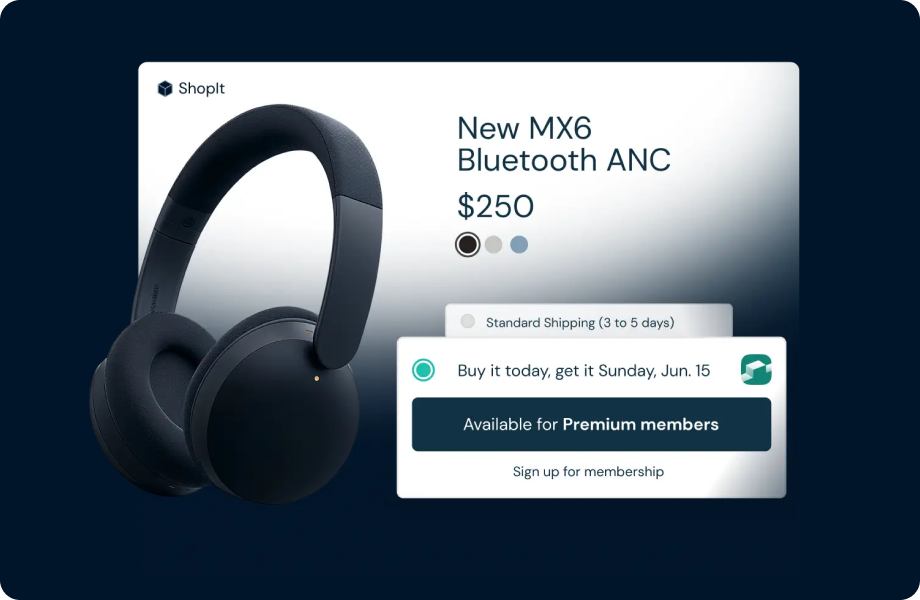
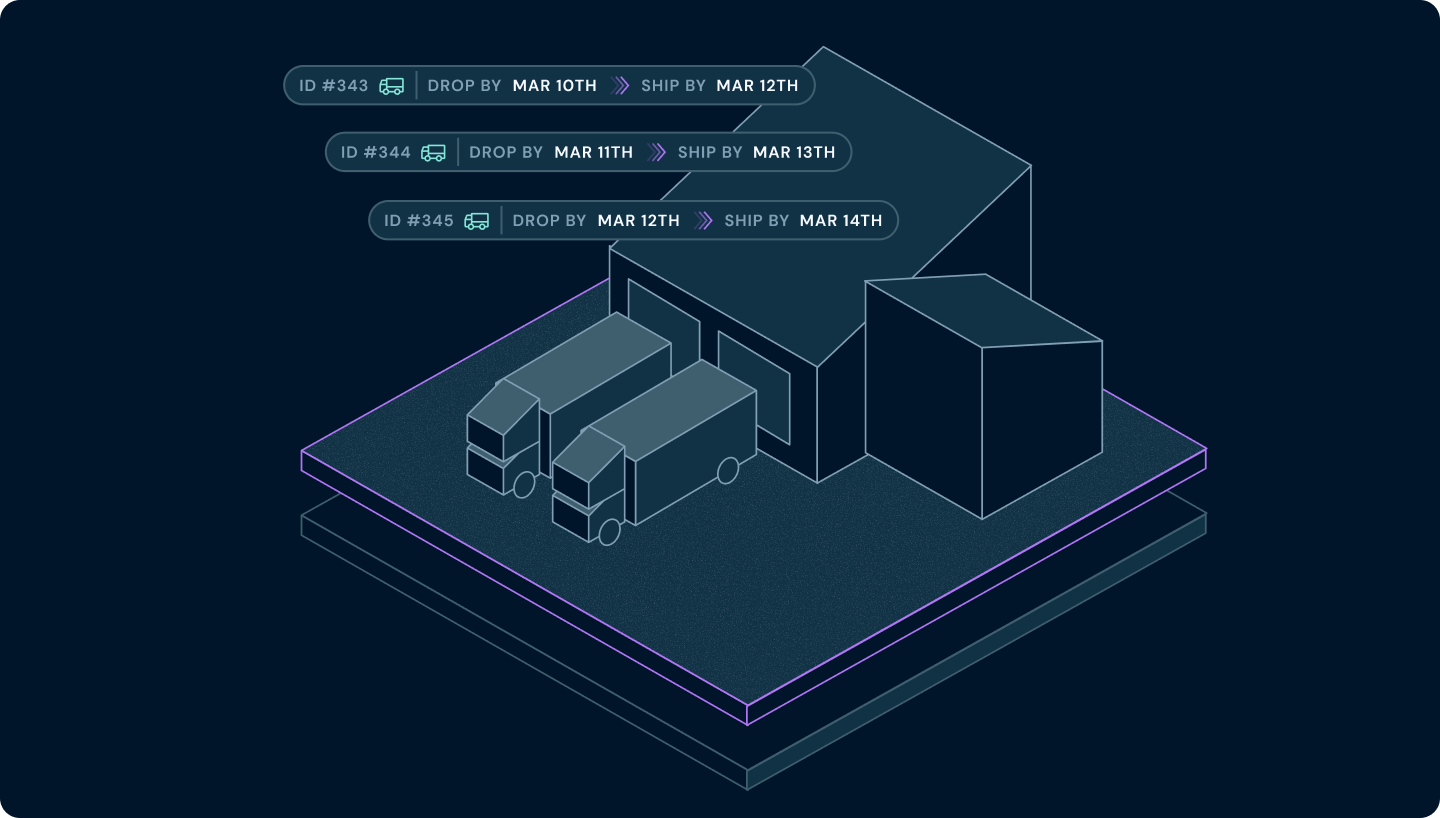
Shipium calculates a precise arrival date for every order using machine learning models trained on live carrier performance.
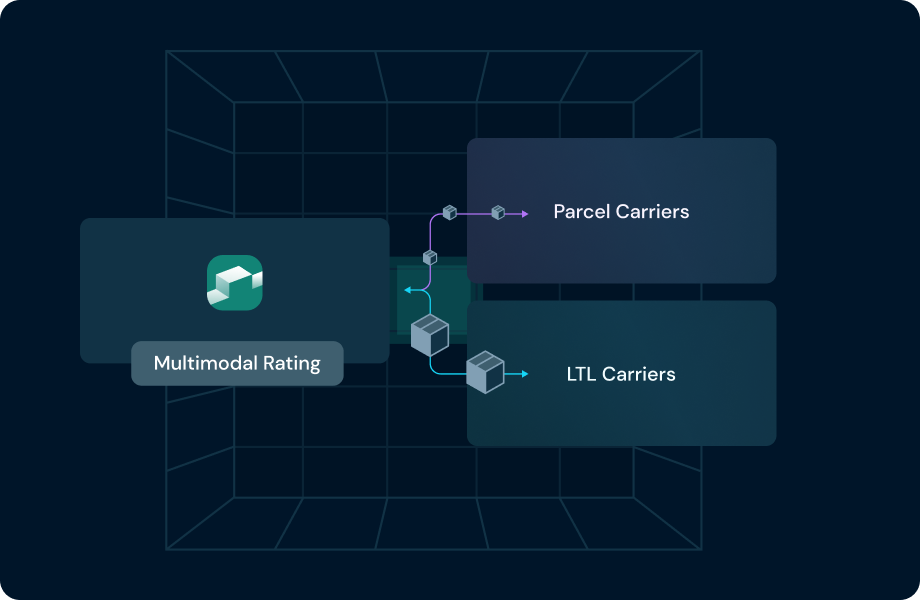
Dynamic carrier and mode allocation
Shipium’s delivery allocation software compares parcel and LTL for every shipment and picks whichever meets your delivery commitment at the best price.
Pre-integrated carrier network access
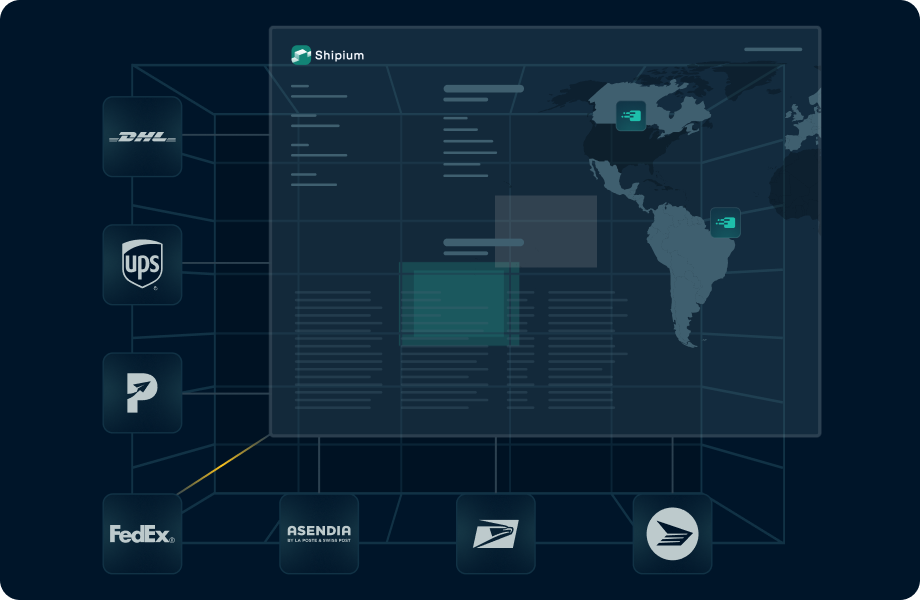
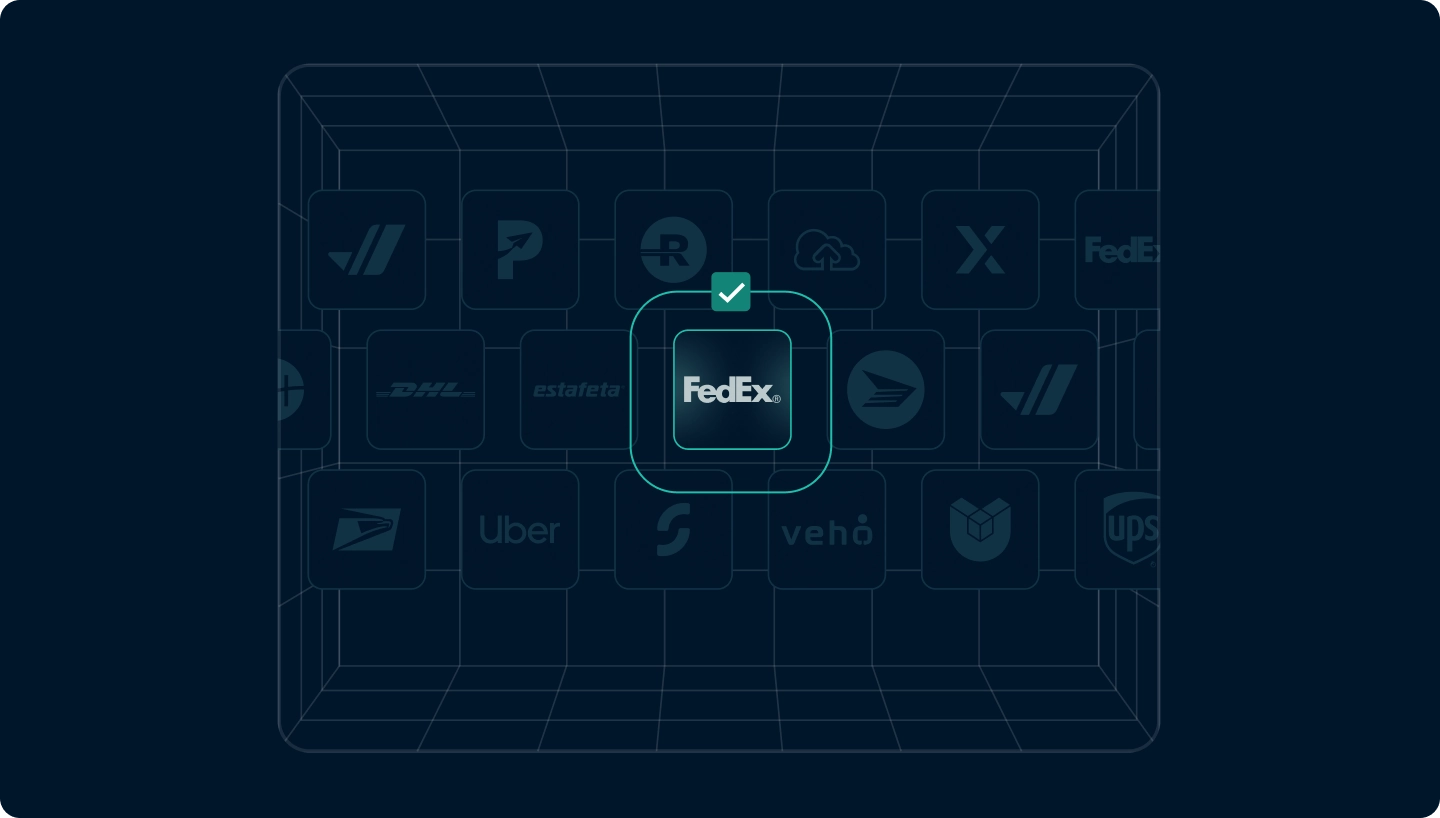
Integrating with Shipium gives you access to a network covering 99.6% of domestic parcel shipments, so when a lane needs more capacity, there’s already a linked transportation provider to pick up the overflow packages.
Real-time delivery visibility
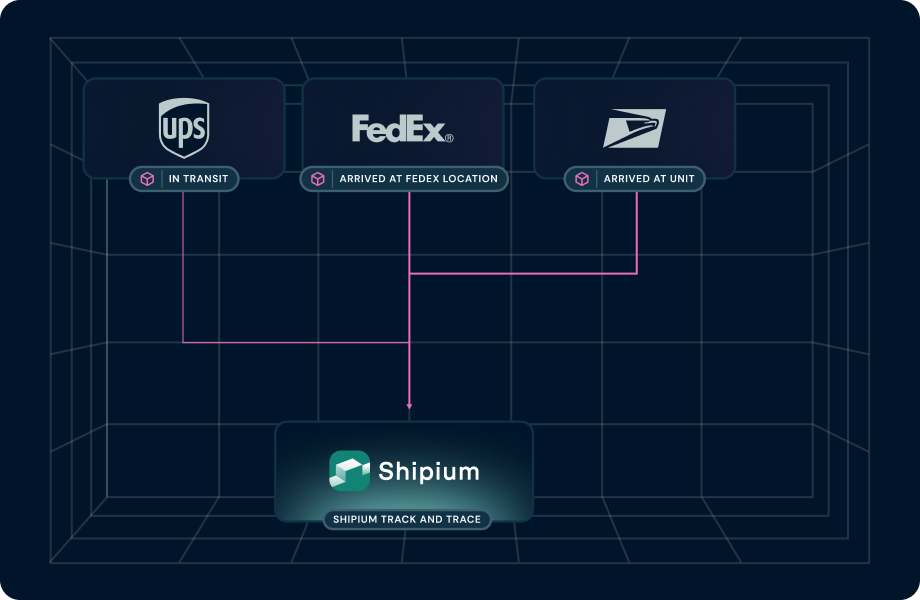
Shipium tracks every shipment across carriers in one view, so you can see a package running behind its expected transit time before the arrival date is late.
Delivery performance that holds up at peak volume


Reliable promised dates, at a lower cost
With Shipium, estimated arrival dates hold because our package delivery management software reallocates carriers automatically when conditions change.
Lower cost per delivery
Shipium cuts parcel spend by an average of 12% by picking the lowest-cost carrier that still gets the order there on time.
Fewer issues that reach customers
Shipium tracks your on-time performance by carrier, service method, and zone, so you spot a slipping rate and reroute capacity before customers notice.

Faster shipping, even at volume
After switching to Shipium, orders arrive an average of 1.7 days faster, even during peak demand.
Fewer failed deliveries
You run near-zero shipping errors because the shipment date shown to your customer already reflects real carrier performance and validated data.

Frequently asked questions
What is delivery management software?
Delivery management software is the system that handles the full lifecycle of an outbound shipment: setting the delivery date, assigning the carrier, tracking the package in transit, and confirming it arrived, all to improve delivery efficiency.
Without a shipping platform for ecommerce, your team can end up tracking orders in spreadsheets and checking status by logging into each carrier’s portal separately. With Shipium, enterprise shippers automate delivery management: our rules engine routes each shipment to a carrier and mode, and you gain full tracking visibility as the package moves.
Read our complete guide to ecommerce delivery management.
How to improve on-time delivery rates at scale?
To improve on-time delivery performance at scale, focus on the parts of the process that most directly affect whether a promised date holds:
- Keep delivery date and carrier decisions on one system: A shipment reassigns to a different transportation partner or mode automatically when a carrier hits a capacity crunch, a lane starts running late, or a carrier misses its delivery service level target.
- Choose the right shipping origin for each order: Multi carrier shipping software enables you to ship from the location closest to the customer, shortening transit distance instead of relying on a static transit-time table.
- Manage carrier capacity before peak season caps it: Zone skipping routes shipments through bulk LTL to a carrier’s injection point when a lane hits its volume cap.
- Track performance by transportation provider, service type, and origin: Detailed monitoring catches a carrier’s on-time rate dropping on a specific lane early enough to trigger automatic reassignment before more shipments are affected.
How to reduce failed deliveries and improve delivery accuracy?
To reduce failed deliveries and improve delivery promise accuracy, fix the two most common root causes: a delivery date that’s wrong before the order even ships, and an address that’s wrong before the label is even printed.
- A delivery date is wrong when it’s calculated from a one-size-fits-all schedule instead of live carrier performance, so the date shown to a customer doesn’t reflect what’s actually happening on that lane.
- An address is wrong when no system checks it until a carrier already has the package, so a small error, like a mistyped street name or a missing unit number, can go unnoticed until the delivery attempt fails.
Shipium Address Validation catches errors earlier, at entry, returning a valid or invalid status along with a corrected candidate location before the shipment leaves the warehouse, cutting down on failed deliveries, return fees, and reshipping costs.
Can high-volume businesses rely on delivery scheduling software free of charge?
Free delivery management system software is generally built for low shipment volumes, not thousands of orders a day, and doesn’t adjust dates once carrier conditions change mid-shipment, so it isn’t built to handle high volume reliably.