
Ecommerce Shipping Integration Software
Shipium’s ecommerce shipping integration connects your storefront, OMS, WMS, and carriers on one platform, then rates, routes, and labels every order on its way to the pack station.
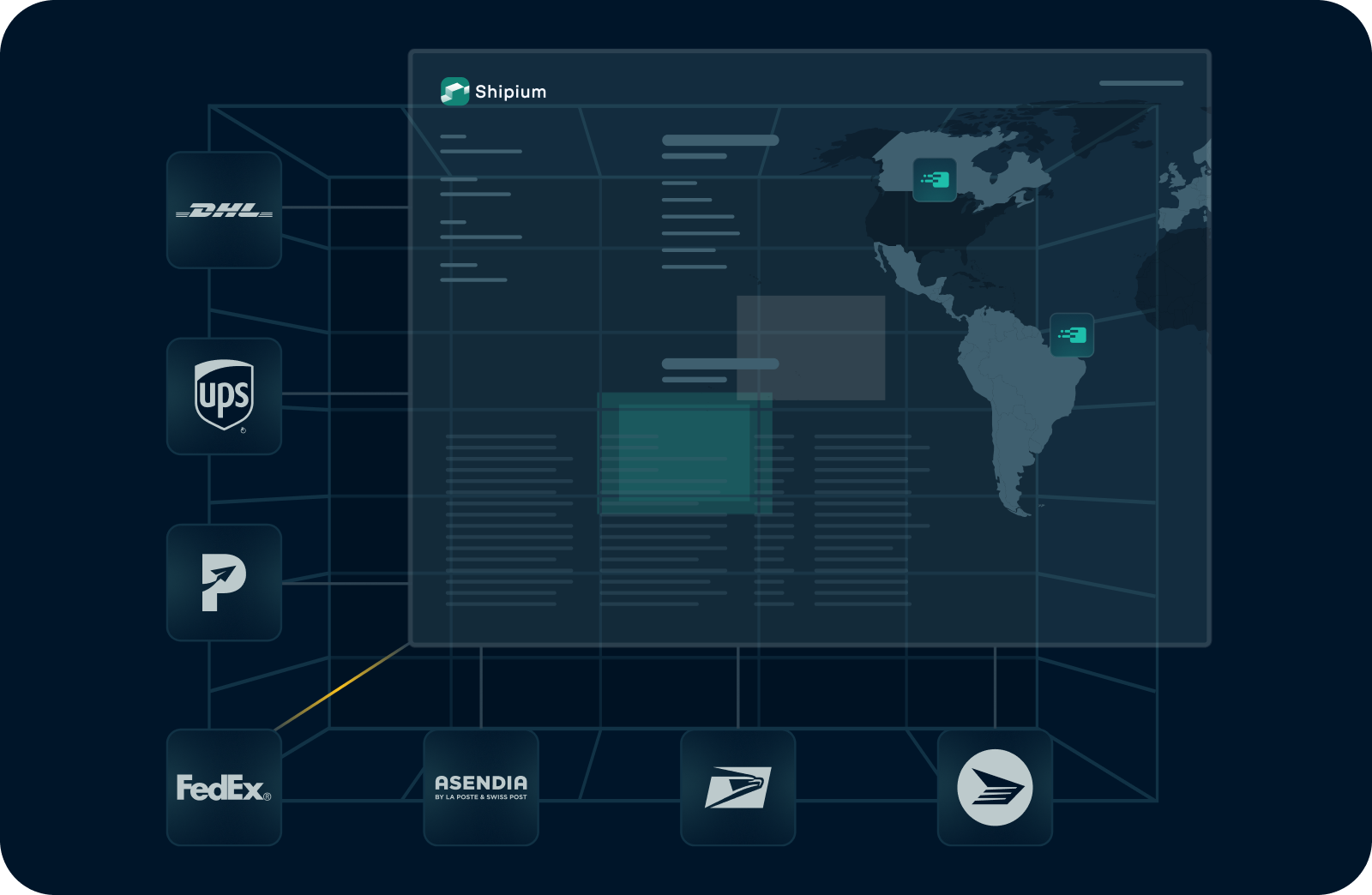
One connected ecommerce tech stack
Your storefront keeps selling and your warehouse keeps packing while Shipium makes every shipping decision.
Pre-integrated carrier network
Every carrier in Shipium’s network comes pre-integrated, so your team adds carriers without the engineering work a new connection normally takes.
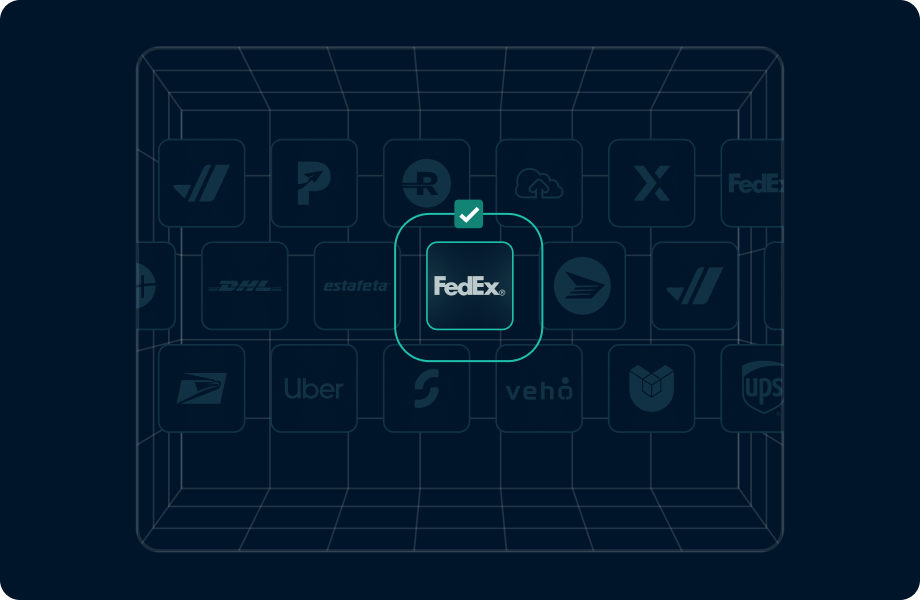
Automated carrier selection
For every order your storefront sends, Shipium applies your business rules and picks the carrier and service that hits the date at the lowest cost.
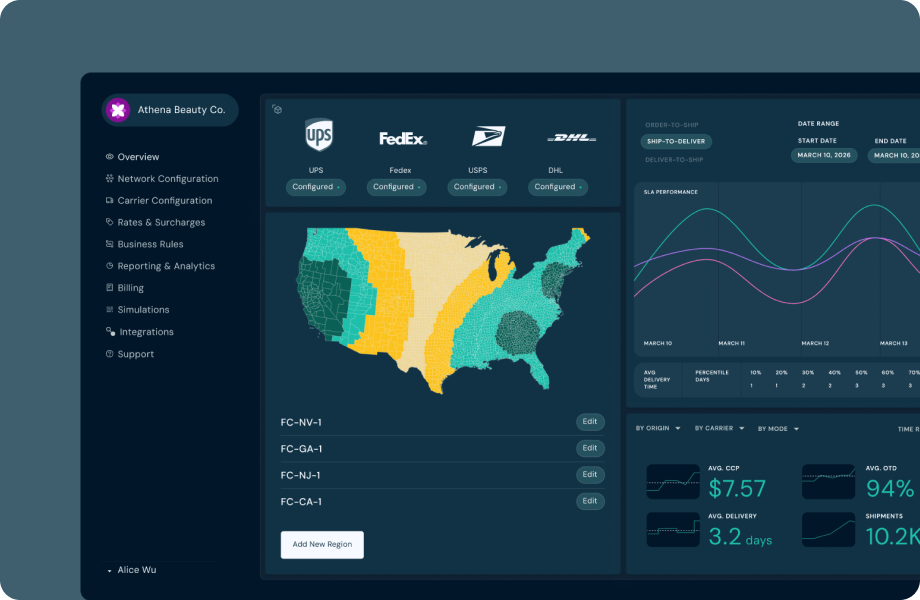
Self-service configuration
Shipium puts every carrier, rate, and rule in the Console, so your team reconfigures the integration without IT or a vendor ticket.
Flexible system integration
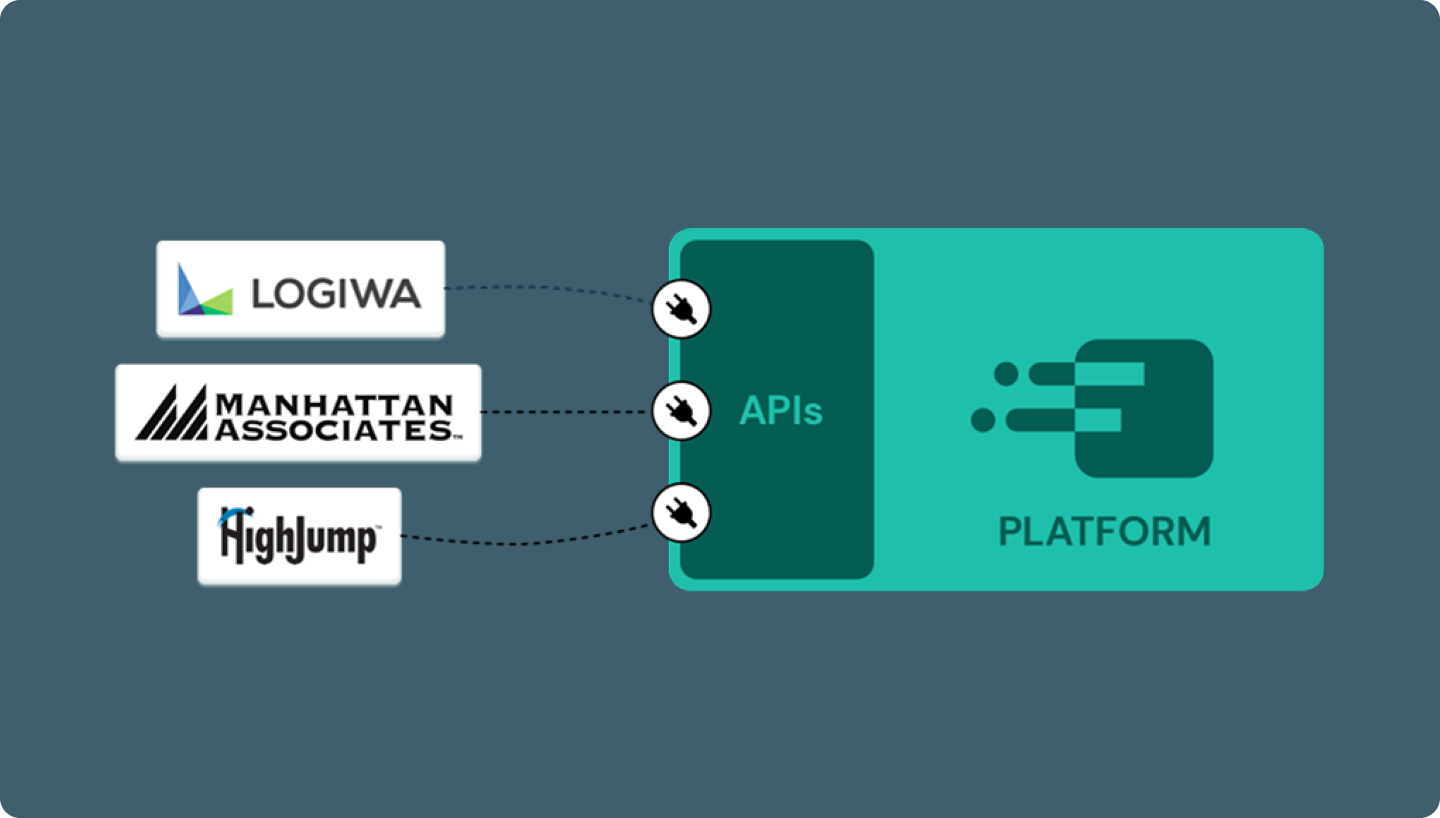
Shipium’s Integration Framework connects your OMS, WMS, TMS, and ERP, so it complements the systems you already run rather than replacing them.
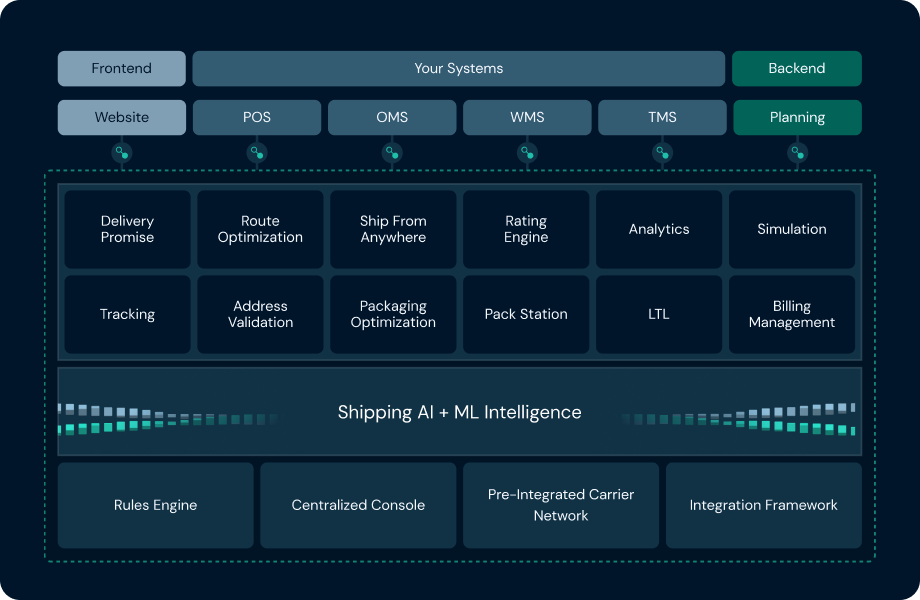
Ecommerce integration without the wait


Modern shipping logic that adapts as your ecommerce grows
Your carrier mix and your rules will keep changing, and Shipium takes each change without a new integration project.
Carrier switches without dev work
Shipium’s ecommerce courier integration comes pre-built, so moving volume to a regional carrier during a capacity crunch needs no new endpoint.
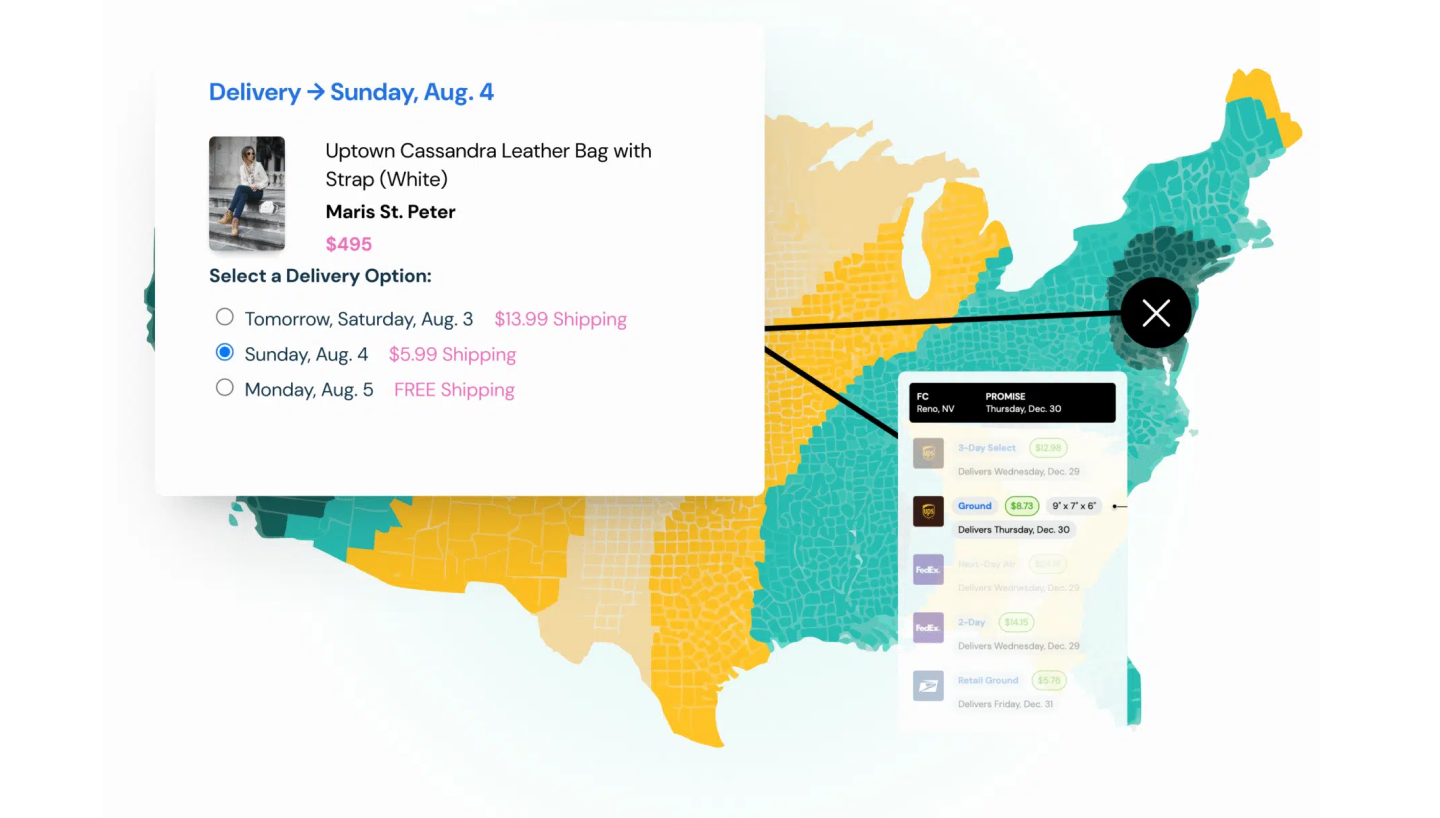
Discrete APIs for every decision
Shipium offers a separate API for each decision, from delivery dates to labels to tracking, so your developers adopt only what they need.
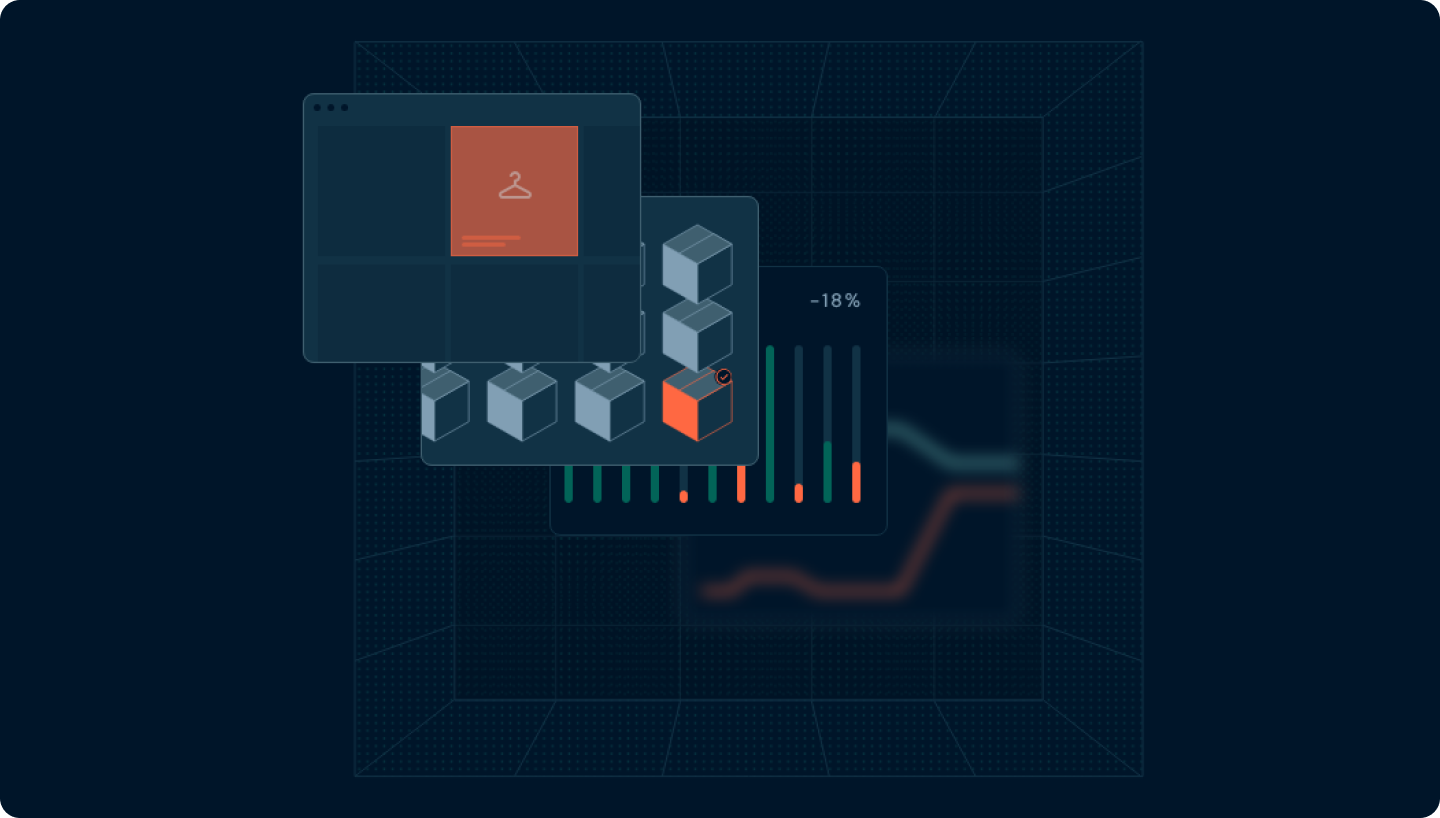
Analytics your team can act on
Shipium surfaces carrier performance and parcel spend trends from your own execution data, so a rule change follows the finding instead of waiting for the invoice.
Frequently asked questions
What is ecommerce shipping integration?
Ecommerce shipping integration is the connection between your online store and the systems that fulfill its orders, so shipping decisions run automatically for every order. Your order management platform, warehouse management system, logistics provider, and rating logic all read from the same order data with no re-entry between them.
Shipium provides that connection through an API-first platform that links your ecommerce stack to carrier selection and label generation while your existing systems stay in place.
Learn more about our Label Engine.
How to connect my ecommerce store to multiple carriers?
You have two routes to connect your ecommerce store to multiple carriers. You can build and maintain a direct API connection to each carrier yourself, or you can connect once to a platform that already holds those integrations.
Building direct means new credentials, new testing, and new certification for every carrier you add, plus maintenance every time a carrier changes its API. A multi carrier shipping platform like Shipium moves that work off your team, and each carrier becomes a configuration choice, not a decision you wait for engineering to schedule. Case in point: Shipium customers average 1.3 carriers before switching to our platform and 5.4 after.
How does automated carrier selection work?
Automated carrier selection makes a fresh decision on every order rather than applying a default carrier. Package details, destination zone, and the delivery date you promised go in, and one carrier and service come back before a label is requested.
Shipium’s Rating Engine automates carrier selection in four stages:
- An eligibility check removes the carriers and services that cannot handle the shipment.
- A date shop keeps only the services that meet the delivery promise you made.
- A rate shop then compares the remaining services on contracted rates, surcharges, and accessorials.
- Volume balancing monitors carrier allocation against your contractual commitments as volume moves, so the cheapest option on a single order never pulls you off a tier you negotiated.
How long does it take to add a new carrier?
Adding a new carrier takes anywhere from one afternoon to several months, and the variable is who does the integration work.
A carrier already integrated into your shipping platform is a configuration change. A direct connection you build yourself means development, testing, and carrier certification before the first label prints, which is why carrier onboarding timelines vary so much between platforms.
With Shipium, a carrier already in the network takes an afternoon, and that carrier then propagates across your whole network so every rule considers it right away. A carrier not yet in the network runs on Shipium’s integration roadmap, typically an 8-week SLA.
How to automate carrier selection from my ecommerce platform?
You automate carrier selection by handing the decision off at order creation. Your storefront or OMS sends the new order out through an API call or a webhook, the shipping platform returns a carrier and service, and your warehouse prints the label it gets back. Setting those rules once is the job of shipping automation software, so a routing change happens in one place instead of in every system that touches an order.
With Shipium, the call goes to our Integration Framework and the rules live in the Console. Enterprise storefronts often start from a platform-specific integration; the Shopify logistics integration is one example.